Fed rate hike fails to calm troubled markets as Dow falls 600 points. Expect more sharp swings in stocks and bonds.
Fed Chair Kevin Warsh has sent investors a message: When it comes to tamping down inflation, he means business.

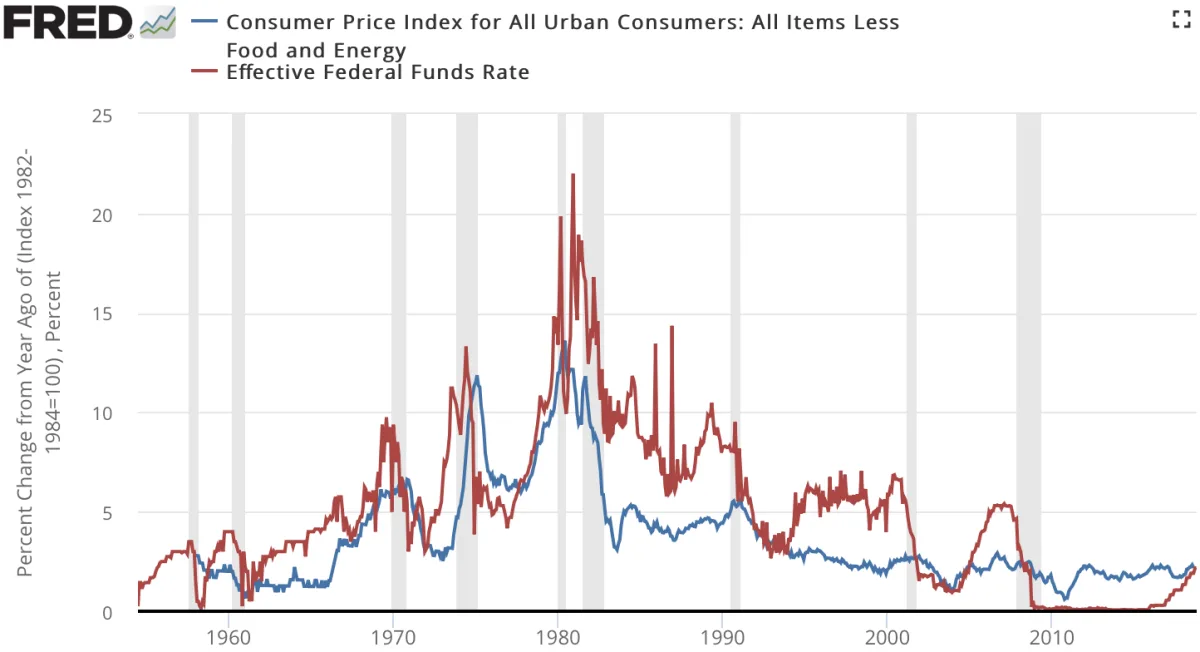
Investors entered Wednesday’s Federal Reserve meeting with the expectation that an interest‑rate increase would help steady a fragile bond market and ease the strain on equity prices.
Market Reaction
When the Fed announced it would raise rates and released its latest projections, U.S. stocks and bonds briefly surged. The rally, however, proved short‑lived as both markets turned lower as the trading day progressed. By the close, the Dow Jones Industrial Average had slipped more than 600 points, signaling that the hoped‑for relief did not materialize.
Treasury Yield Moves
At the same time, the yield on the 10‑year Treasury note edged upward, ending the session above the critical 5 percent level. This rise occurred even though crude‑oil prices pulled back, offering a temporary cushion to inflation pressures. Because bond yields move opposite to bond prices, the increase in yields reflected the decline in bond values that accompanied the equity sell‑off.
FED Chair’s Message
During the post‑meeting press conference, Fed Chair Kevin Warsh told reporters that the Federal Reserve remains committed to bringing inflation back down to its 2 percent objective. Warsh’s remarks underscored the central bank’s determination to use higher rates as a tool to anchor price growth, even as markets reacted negatively to the policy shift.
Looking ahead, analysts anticipate that the combination of a higher‑for‑longer rate environment and lingering uncertainty about inflation could generate further sharp swings in both stocks and bonds. Traders will be watching upcoming economic data and any additional guidance from the Fed for clues about the pace of future rate moves. The market’s inability to find stability after the Wednesday decision suggests that volatility may remain a defining feature of the near‑term financial landscape.
Source: marketwatch.com · 2026-09-16