Fighting inflation likely to be 'painful,' Chicago Fed president says
A top Federal Reserve official said Monday that the central bank may have to cause economic pain in the form of higher unemployment to combat stubbornly high inflation.

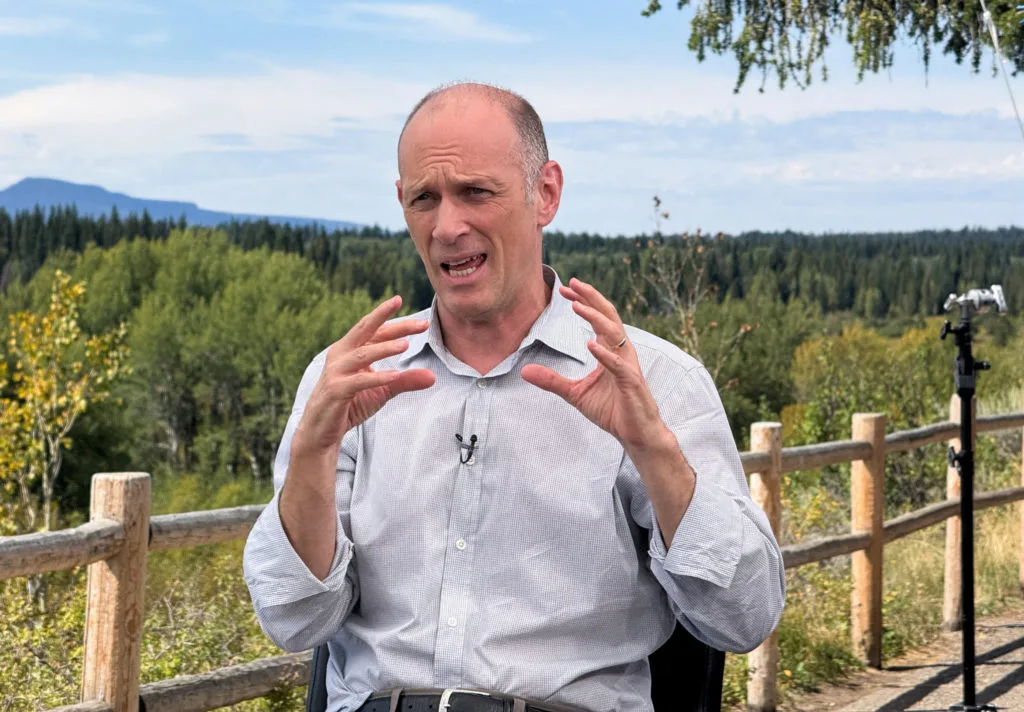
Austan Goolsbee, who leads the Federal Reserve Bank of Chicago, warned on Monday that the central bank may need to accept higher unemployment as a side effect of its fight against stubborn inflation.
Supply Shocks Pressuring FED
Speaking to an audience in London, Goolsbee identified a chain of ongoing supply disruptions that have lifted price pressures. He pointed to rising oil costs tied to the war in Iran and the impact of recent tariffs as key contributors to the current inflationary environment. Under normal circumstances, he explained, the Fed would wait for such external pressures to ease before considering a change in monetary policy.
Rate Hikes as Remedy
Because the supply‑side disturbances appear to be persisting, Goolsbee said the Federal Reserve now faces limited options other than raising interest rates. He argued that higher borrowing costs are required to pull consumer and business spending down to a level that matches the constrained supply, a move he believes will steer inflation back toward the Fed’s 2 percent goal.
“The only way to bring inflation down is to raise rates and narrow the gap between supply and demand,” Goolsbee wrote in the prepared text of his remarks. He added that achieving the inflation target in the near term will likely push employment figures below the Fed’s desired level.
Trade‑off between Inflation and Jobs
Goolsbee emphasized that the short‑run consequences involve a difficult balancing act. “Forcing inflation back to target in the short run means pushing employment below target. … In the short run, supply shocks force a difficult trade‑off” between the dual mandates of price stability and maximum employment, he said. The statement underscores the central bank’s recognition that taming price growth may come at the cost of a weaker labor market.
Outlook for Policy
The Chicago Fed president’s comments suggest that policymakers expect a period of tighter monetary conditions as they work to align demand with the reduced supply landscape. While the Fed has traditionally preferred to let external shocks fade before acting, the persistence of higher oil prices and tariff‑related pressures appears to have shifted that calculus. Market participants will be watching upcoming Federal Open Market Committee meetings for signals on the pace and magnitude of future rate adjustments.
In sum, Goolsbee’s London speech signals that the Federal Reserve is prepared to accept short‑term economic pain, including a rise in unemployment, as a necessary step to bring inflation back to its 2 percent target and restore balance between supply and demand.
Source: pbs.org · 2026-09-21