Goat herding hedge: How Susquehanna and Kalshi are helping this company offset a change in California law

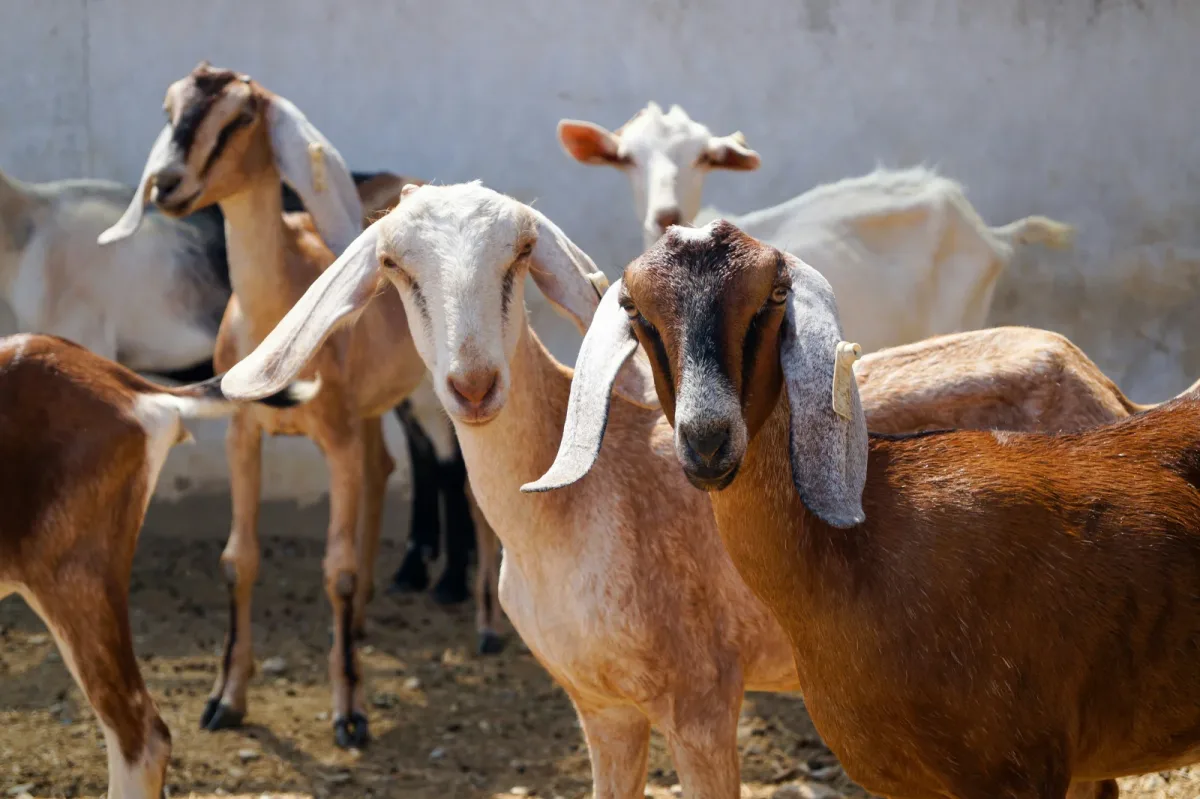
Western Grazers, a California-based goat herding business, is taking a unique approach to mitigate the potential financial impact of a change in state law. The company, which utilizes goats to consume vegetation and help prevent wildfires, is working with prediction market platform Kalshi to hedge against the possible increased expense. This move comes as the business faces higher payroll costs due to the expiration of a California wage exemption on June 30.
The exemption's expiration means that Western Grazers' goat herders must now be paid according to the standards set by a 2016 assembly bill, which requires them to receive a set wage for being on-call 24 hours a day. This change could significantly increase the company's annual labor costs, with estimates suggesting that the cost per herder could rise to as much as $240,000 per year. Currently, the company pays its eight herders $60,000 per year, with additional costs including workers' flight tickets and visa costs, which total at least $70,000 per year per herder.
Labor Cost Concerns
The potential increase in labor costs is a concern for Tim Arrowsmith, the owner of Western Grazers. With a total of 4,000 animals under his care, Arrowsmith is exploring ways to offset the potential expense. By partnering with Kalshi, the company hopes to use the prediction market platform to hedge against the increased costs. This approach allows Western Grazers to manage its financial risk and potentially reduce the impact of the changed legislation on its bottom line.
It is worth noting that the 2016 assembly bill excludes sheep herders from the higher wage requirements, despite the fact that the working conditions for both sheep and goat herders are similar. A state-mandated study from the University of California, Davis, which was released in 2026, found that the working conditions for both types of herders overlap. This discrepancy has raised questions about the fairness of the legislation, but for now, Western Grazers is focused on finding ways to adapt to the changed regulatory environment.
Financial Strategies
As the company navigates this new landscape, it is also working with Susquehanna, a financial services firm, to explore options for managing its increased labor costs. With the help of Kalshi and Susquehanna, Western Grazers is taking a proactive approach to mitigating the potential financial impact of the changed legislation. By using innovative financial tools and strategies, the company is working to ensure that it can continue to operate effectively and efficiently, despite the increased costs associated with the new law.
The partnership with Kalshi and Susquehanna is a key component of Western Grazers' strategy to manage its financial risk. By leveraging the expertise of these companies, Western Grazers is able to explore new and innovative ways to offset the potential increase in labor costs. As the company moves forward, it will be important to monitor the effectiveness of these strategies and make adjustments as needed to ensure the long-term sustainability of the business. With its commitment to finding creative solutions to the challenges posed by the changed legislation, Western Grazers is well-positioned to continue its important work in preventing wildfires and promoting sustainable land management practices.
Source: cnbc.com · 2026-08-13