Government pushes Bank of England to innovate on payments and digital currencies

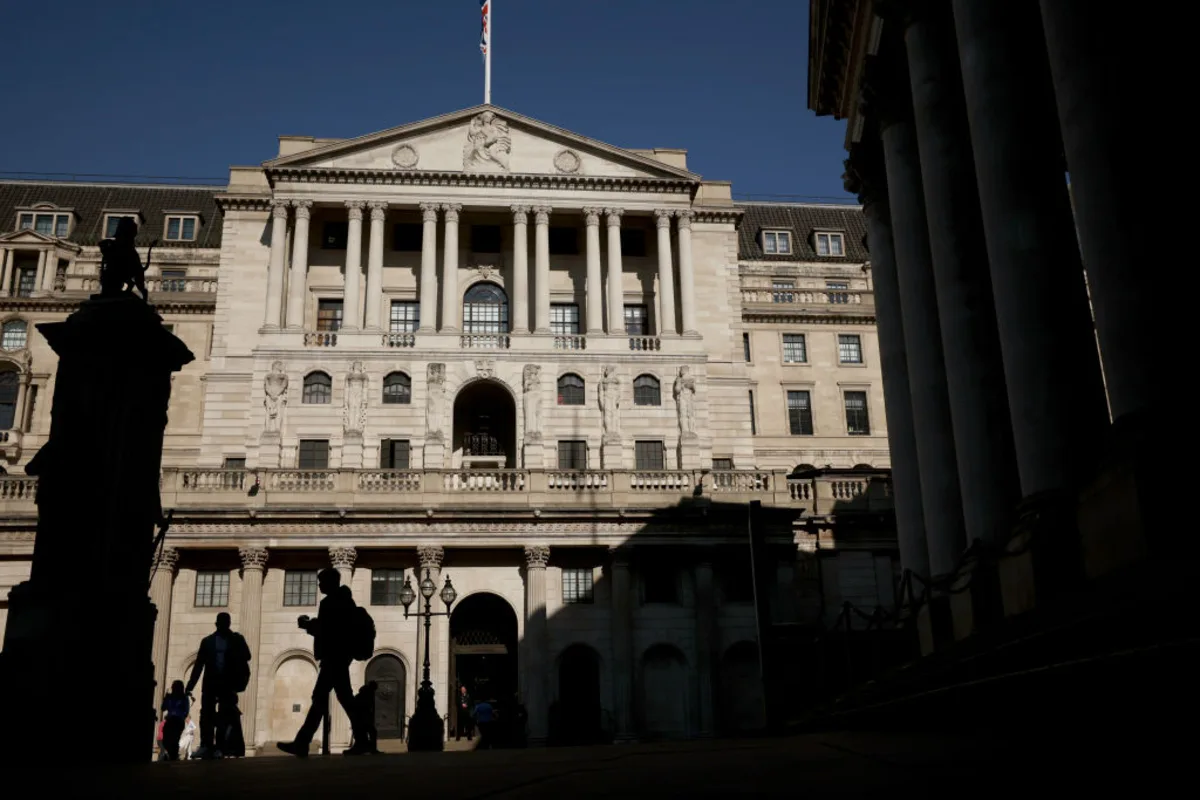
The British government is taking steps to encourage innovation in the country's payments and digital currencies sector. The Bank of England has been given a new objective to support innovation in payment systems and new forms of digital currencies, in addition to its primary goal of maintaining financial stability.
New Objective for the Bank of England
The Treasury plans to implement this change through amendments to the Financial Services and Markets Bill, which will be reviewed by the House of Lords in September. The Bank of England will be required to report on its progress towards this new objective on an annual basis. City Minister Lucy Rigby stated, “Whilst financial stability will always remain the Bank’s primary objective, this secondary objective will support the Bank to continue to drive innovation in payments and digital finance, ensuring that the UK remains a global leader in financial services.”
Background on Payments Regulation
The Labour government had promised to overhaul the payments sector with updated regulations to support innovation. Former Chancellor Rachel Reeves unveiled her National Payments Vision in her 2024 Mansion House address, which included plans for “decisive action to progress opening banking and support our fintech businesses.” However, progress has been slow, and some have criticized the efforts as being more of a “reshuffle than a reform.”
Industry Reaction and Concerns
The Payments Association, which represents the payment sector, raised concerns about the relationship between the Financial Conduct Authority and the Bank of England. It called for the government to give the Bank of England veto rights over the City watchdog. In March, the Labour government abolished the Payment Systems Regulator, which had been created in 2013, as part of its drive to spur growth.
Consolidation of Regulatory Bodies
David Geale, managing director at the Payment Systems Regulator, told a Treasury Committee hearing that the regulator’s abolition would not take effect until the first quarter of 2027 at the earliest. He noted that staff were largely performing the same duties and that some efficiencies had already been realized by not replacing senior colleagues who left. The regulator’s annual budget of £28 million was expected to come “reasonably under.” Geale said further efficiencies could emerge as the regulator’s functions are folded into the FCA.
Industry Expectations and Challenges
At the City and Financial Global Payments Regulation and Innovation Summit in February, Natalie Lewis, head of payments at Travers Smith, praised recent regulatory progress but observed that the industry was still “waiting for the coin to drop.” Stakeholders are watching to see how the government’s actions will shape innovation and growth in the UK payments landscape.
Source: cityam.com · 2026-08-27