HBM Boom Raises Commodity Memory Risks

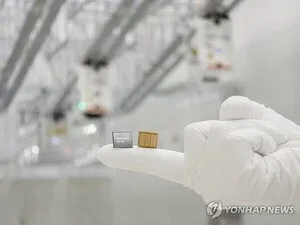
The memory semiconductor market is undergoing a significant transformation, driven by the growing demand for High Bandwidth Memory (HBM) fueled by artificial intelligence (AI) applications. This shift is occurring simultaneously with concerns over supply pressure in commodity DRAM and NAND, creating a complex landscape for industry players. As AI infrastructure investment continues to expand, the center of memory demand is rapidly shifting towards HBM and server-grade products, with brokerage analysts sharing a similar view on this trend.
Market Demand Trends
The demand for HBM is expected to reach 53.4 billion Gb in 2027, representing a 56% increase from the previous year, according to estimates by Kiwoom Securities. In contrast, the supply growth rate for the same period is projected at 50%, indicating that the demand-exceeding-supply dynamic will persist. This disparity between demand and supply growth rates raises concerns about the potential risks associated with commodity memory, particularly in the context of the booming HBM market. The expanding AI infrastructure investment is driving the shift towards HBM and server-grade products, with the industry struggling to keep up with the rapid growth in demand.
As production capacity expands rapidly, the industry is working to address the supply constraints. However, it is noted that additional wafer input does not directly translate into a proportional increase in marketable HBM volume. The key variables that ultimately determine actual supply levels include stacking yield, advanced packaging, and the pace of generational transitions. These factors introduce complexity and uncertainty into the supply chain, making it challenging to predict the availability of HBM and other memory products. The differentiation in supply levels is also reflected in export data, which provides insight into the trends and patterns in the memory semiconductor market.
Export Data Insights
According to Hana Securities, the average daily memory semiconductor export value in July rose 287% year-on-year to $1.27 billion. This significant increase is driven by the growth in DRAM exports, which increased 493%, while NAND exports rose 303%. The month-on-month trends, however, varied by product, with overall memory export value declining approximately 8%. In contrast, DRAM exports rose 16%, while NAND exports fell 32%. This suggests that the strength in HBM and server memory is not spreading uniformly across all memory product categories, creating a nuanced and dynamic market landscape. The varying trends in export data highlight the complexities and challenges faced by industry players as they navigate the shifting demand and supply dynamics in the memory semiconductor market.
Source: businesskorea.co.kr · 2026-08-14