Iran looks to ramp up economic alliance with BRICS nations as war with U.S. drags on

Iran is taking significant steps to bolster its economic relationships with the BRICS nations, a move that comes as the country continues to navigate its ongoing conflict with the United States. This development is particularly noteworthy given the current geopolitical landscape, with Iran having been engaged in a war with the U.S. and Israel for nearly six months. As the country seeks to strengthen its alliances and mitigate the economic impact of the conflict, it has announced plans to join the BRICS New Development Bank, according to a statement made by the country's central bank chief on Thursday.
Economic Alliance Expansion
The BRICS alliance, which was established in 2006 by its founding members Brazil, Russia, India, and China, has since expanded to include South Africa, which joined the group in 2010. The alliance has been instrumental in promoting economic cooperation and development among its member nations, and Iran's decision to join the New Development Bank is seen as a strategic move to deepen its economic ties with these countries. By joining the bank, Iran aims to gain access to new sources of funding and investment, which could help to support its economic development and reduce its reliance on traditional Western markets.
The timing of Iran's decision to join the BRICS New Development Bank is significant, given the current state of its relations with the United States. The ongoing war between Iran and the U.S. has had a profound impact on the country's economy, with sanctions and other restrictions limiting its ability to engage in international trade and commerce. By strengthening its ties with the BRICS nations, Iran hopes to create new opportunities for economic growth and development, and to reduce its vulnerability to Western sanctions and other forms of economic pressure.
NEW Development Bank
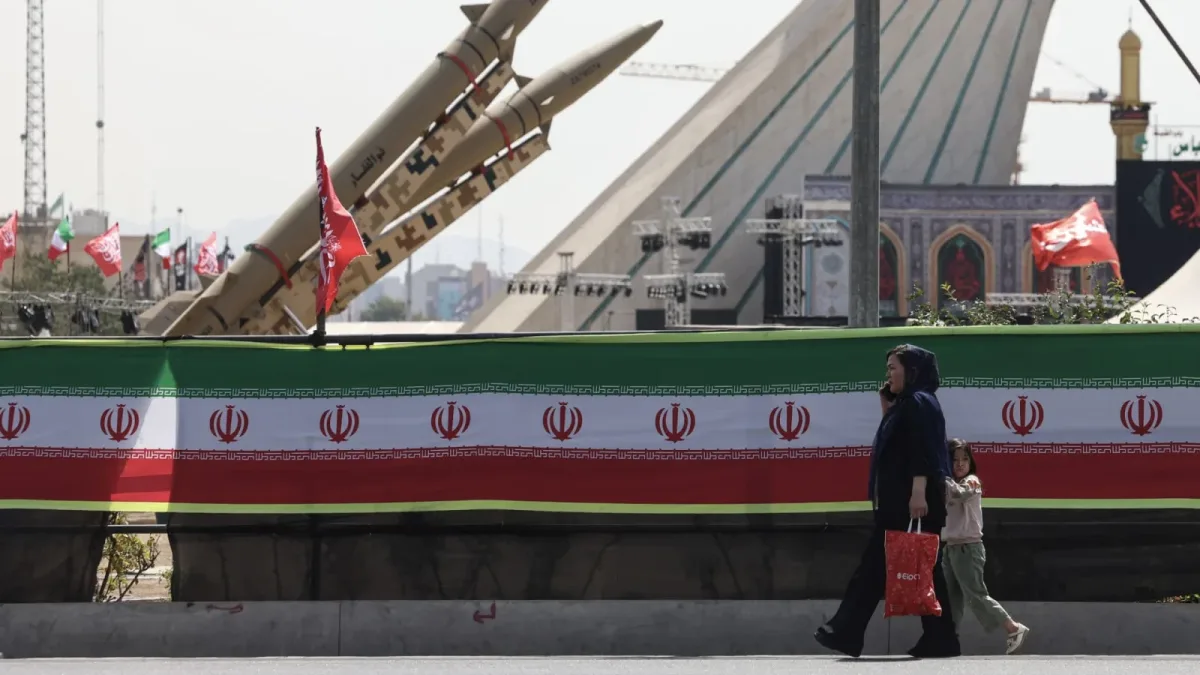
As Iran moves forward with its plans to join the BRICS New Development Bank, it is likely to face a range of challenges and opportunities. On the one hand, the country's membership in the bank could provide a significant boost to its economy, particularly if it is able to secure access to new sources of funding and investment. On the other hand, Iran's decision to join the bank may also be seen as a provocative move by the United States and other Western nations, which could lead to further tensions and conflict. The people of Iran are continuing to go about their daily lives, despite the ongoing conflict and economic uncertainty, and a recent scene in Tehran's Azadi Square, where Iranian-made Zolfaghar missiles were on display, served as a poignant reminder of the country's military capabilities and its determination to defend itself against external threats.
Global Economic Implications
The BRICS nations, which have been steadily increasing their economic cooperation and collaboration in recent years, may also stand to benefit from Iran's membership in the New Development Bank. The addition of a new member country could provide fresh perspectives and ideas, and help to further diversify the bank's portfolio of projects and investments. As the global economy continues to evolve and change, the BRICS alliance is likely to play an increasingly important role in shaping the course of international trade and commerce, and Iran's decision to join the New Development Bank may be seen as a significant milestone in this process. The long-term consequences of this move will depend on a range of factors, including the response of the United States and other Western nations, and the ability of Iran and the BRICS nations to navigate the complex geopolitical landscape and create new opportunities for economic growth and development.
Source: cnbc.com · 2026-08-13