Kevin O’Leary Says ‘The Economy Is on Fire,’ Calls Trump the ‘First AI President’ as AI Boosts S&P 500 Ea

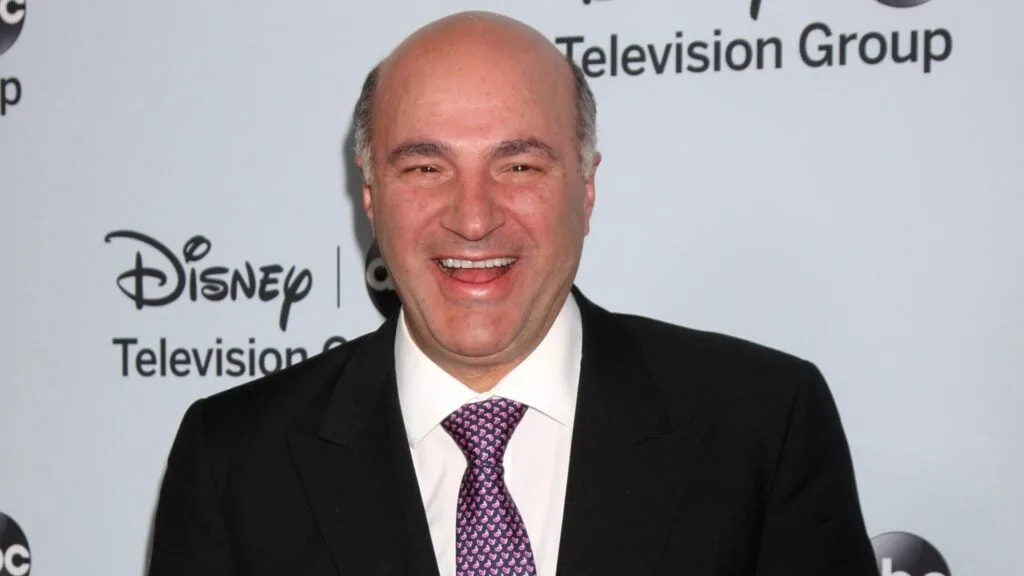
Kevin O’Leary, the well-known investor and Shark Tank personality, recently offered a highly optimistic assessment of the American financial landscape, asserting that the economy is currently on fire when measured by the earnings performance of the S&P 500. In comments shared on Saturday, September 27, 2026, O’Leary argued that the integration of artificial intelligence is fundamentally reshaping corporate profitability. He specifically identified Donald Trump as the first AI president, suggesting that the administration is seeing the benefits of significant productivity and margin improvements across all 11 sectors of the economy as companies adopt these new technologies.
AI Boosts Corporate Productivity
During an interview with NewsNation, which O’Leary later highlighted in a post on the social media platform X, he explained that the current resilience of the market is tied to expectations for growth driven by technological advancement. He dismissed concerns that the United States is facing a recession-based situation, pointing instead to the robust earnings reported by major corporations. According to O’Leary, these gains are not limited to the largest players in the market. He noted that smaller businesses, specifically those with a headcount ranging from five to 500 employees, are also leveraging artificial intelligence to enhance their operations and efficiency.
Risks in the Bond Market
Despite his optimism regarding corporate earnings, O’Leary acknowledged several significant headwinds that could typically trigger a market sell-off. He cited the presence of two ongoing wars, the implementation of U.S. tariffs, and persistent instability regarding inflation. Furthermore, he pointed to rising bond prices and elevated yields as factors that investors must navigate. O’Leary mentioned that he maintains a close watch on the bond market because he utilizes debt markets to raise capital for his various business ventures. He suggested that without the boost from AI, these economic risks might have already led to a different market outcome.
Capital Economics Warns of Decline
Not all financial analysts share O’Leary’s enthusiasm for the current trajectory of the market. Earlier this month, Capital Economics issued a warning that the artificial intelligence boom might be entering its final phases. The firm highlighted several risks, including excessive technology spending, overextended valuations, and a high level of market concentration. Capital Economics projected that the S&P 500 could experience a significant correction, potentially falling to a level of 6,500 by the conclusion of 2027. According to their analysis, this would represent a decline of at least 30% from the index's peak.
Efficiency Gains and Interest Rates
Supporting the narrative of AI-driven efficiency, Synopsys, Inc. reported last month that its clients have seen productivity increases of five to six times. The company noted that autonomous engineering workflows have compressed tasks that once required weeks of labor into just a few hours. One specific customer utilized an agentic flow for formal verification to achieve these 5x-6x gains while identifying errors that traditional software tools had missed. In July, ARK Invest CEO Cathie Wood suggested these efficiency improvements could have broader macroeconomic effects. Wood compared the current era to the Industrial Revolution, arguing that if companies pass these savings to consumers through lower prices, it could lower inflationary pressure and eventually reduce long-term interest rates.
Source: benzinga.com · 2026-09-27