South Korea Export Prices Hit 28-Year High

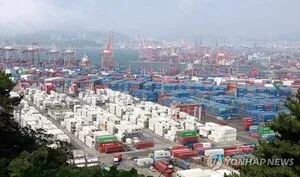
South Korea’s export sector reached a historic milestone in July 2026, with export prices climbing to their highest point in more than 28 years. According to a report released by the Bank of Korea on August 14, this surge was primarily fueled by a massive spike in semiconductor valuations alongside robust export volumes. The central bank highlighted that the nation’s terms of trade improved by the most significant margin since data collection first began, signaling a period of strengthened global competitiveness and enhanced external purchasing power for South Korean firms.
Export Prices Soar
The “July 2026 Export and Import Price Index and Trade Index” revealed that the net barter terms of trade index rose by 24.7% compared to the same month in the previous year. This metric indicates that the volume of imports South Korea can purchase with a single unit of export proceeds has expanded significantly. This improvement was largely the result of export prices, which, when adjusted for a time lag, soared by 36.8% year-over-year. In contrast, import prices saw a much more modest increase of 9.7% during the same period, creating a favorable gap for the domestic economy.
A closer look at the data shows that the won-denominated export price index for July surged 49.1% year-on-year. This represents the highest level for the index since March 1998, when it reached 57.1%. The primary engine behind this growth was the technology sector. Export prices for computers, electronic, and optical equipment skyrocketed by 122.3%. Within this category, specific semiconductor components saw even more dramatic gains; DRAM prices exploded by 270.3%, while flash memory prices jumped by 248.1%. These figures underscore the critical role that high-end electronics play in South Korea's current economic trajectory.
Import Prices Stabilize
While export prices reached new heights, the import side of the ledger remained relatively stable. The won-denominated import price index for July actually decreased by 1.0% from the previous month, marking the second month in a row of decline. This stability was attributed to a combination of lower international energy costs and a shift in the won-dollar exchange rate. Specifically, the monthly average price for Dubai crude oil fell 3.4% from June to $76.75 per barrel. Simultaneously, the won-dollar exchange rate dipped 2.0% month-over-month to 1,497.43 won. These factors combined to keep import costs in check even as export revenues surged.
The Bank of Korea’s assessment suggests that the simultaneous rise in both export prices and volumes points toward a robust period for the nation's trade balance. By leveraging its dominance in the semiconductor market, South Korea has managed to offset broader global economic pressures. The convergence of falling oil prices and record-breaking demand for memory chips has provided a unique tailwind for the country’s trade health, marking July 2026 as a standout month in the nation's financial history. The nation’s ability to capitalize on its strengths in the technology sector has positioned it for continued growth and competitiveness in the global market. As the global economy continues to evolve, South Korea's export sector is poised to remain a key driver of the country's economic success.
Source: businesskorea.co.kr · 2026-08-14