Top energy plays for the rest of the year... including a 'behind-the-meter' power play

The energy market has been on a wild ride in recent months, with U.S. crude oil prices plummeting nearly $10 per barrel before staging a partial recovery. The volatility has been particularly pronounced since the onset of the Iran war, with oil prices fluctuating by as much as 40% from their peak to their recent low point. This dramatic shift is evident in a CNBC chart, which illustrates the chaotic price movements in the energy market. The ongoing tensions around the Strait of Hormuz have created uncertainty, with the market struggling to determine the actual amount of oil being exported from the Arabian Gulf.
Energy Market Volatility
The lack of clarity has made it challenging for investors to make informed decisions, but companies like Kpler and MarineTraffic have been providing valuable data and insights to the energy markets. However, U.S. Secretary of Energy Chris Wright has suggested that the number of ships leaving the region may be higher than some maps indicate. The situation remains complex, with a constant stream of news and headlines emerging from the region. For example, on Wednesday, the terror group Houthis launched an attack on a cargo ship in the Red Sea, resulting in the loss of six crew members. Additionally, Iranian leaders have issued a list of demands related to the Strait of Hormuz, which U.S. President Trump has quickly dismissed.
The uncertainty surrounding the region has led to a significant supply shock, which is the largest in decades. However, despite these challenges, oil prices have not skyrocketed as some had predicted. In fact, crude oil prices have regained about $15 from their July lows but remain below $100 per barrel. Many analysts are now wondering what factors have contributed to this relatively stable price. Given the severity of the supply shock, it is surprising that oil prices have not increased more dramatically. As of now, oil is trading at $85 per barrel, rather than the predicted $105 per barrel.
OIL Price Analysis
According to JPMorgan's Natasha Kavena, there are three key reasons why oil prices have not experienced a significant spike. The firm's analysis highlights the complex factors at play in the energy market, which have helped to mitigate the impact of the supply shock. As the situation around the Strait of Hormuz continues to evolve, investors and analysts will be closely watching the market for any signs of further volatility. Meanwhile, the energy sector as a whole is likely to remain a key area of focus for investors, given its significant impact on the global economy. With the rest of the year still ahead, it will be important to monitor the developments in the energy market and identify potential opportunities for investment.
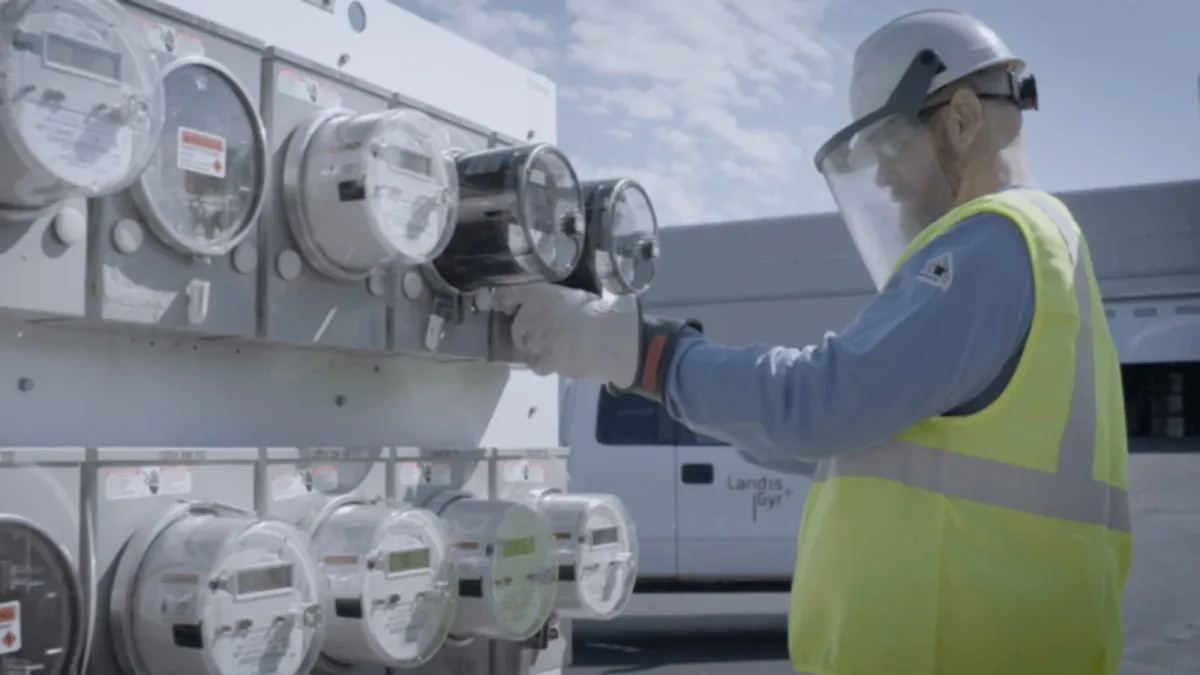
The energy market is also seeing a growing interest in "behind-the-meter" power plays, which could provide a new avenue for investment. As the market continues to navigate the challenges posed by the supply shock, companies that can provide innovative solutions to energy production and distribution may be well-positioned for growth. With the global demand for energy expected to continue growing, the companies that can adapt to the changing market conditions and provide reliable and efficient energy solutions may be the ones that thrive in the long term. As such, investors may want to keep a close eye on the energy sector, including the emerging trends and technologies that could shape the future of the industry.
Investment Opportunities
As the energy market continues to evolve, it will be essential for investors to stay informed about the latest developments and trends. The energy sector is a critical component of the global economy, and its performance can have a significant impact on the overall market. By monitoring the energy market and identifying potential opportunities for investment, investors can make informed decisions and potentially capitalize on the growth of the industry. With the rest of the year still ahead, it will be exciting to see how the energy market unfolds and which companies emerge as leaders in the sector.
Source: cnbc.com · 2026-08-13