Trump declares 100 percent tariffs on many drones and all aircraft parts

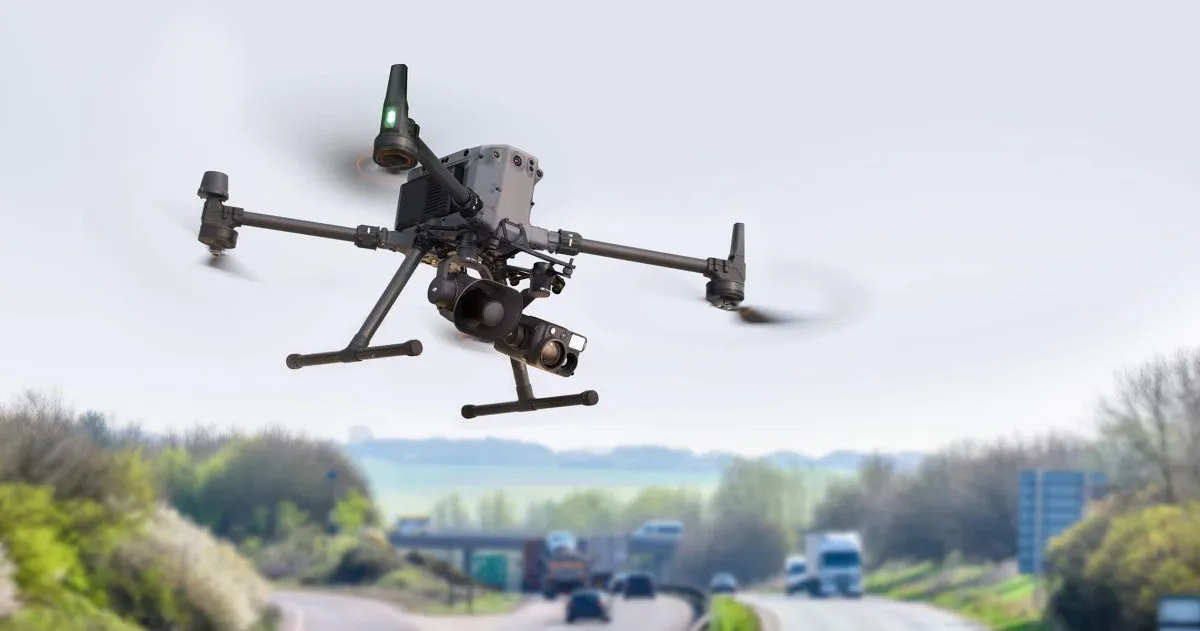
President Trump has announced a significant escalation in the administration's efforts to restrict the use of foreign drones and aircraft parts, declaring that 100 percent tariffs will be imposed on many drones and all aircraft parts. This decision is an extension of the administration's ongoing efforts to limit the use of foreign technology in sensitive areas of the US economy, and it will have far-reaching implications for the aviation industry. The tariffs will apply to a wide range of aircraft components, including those that have already been approved for use in the United States, and will likely increase costs for American companies that rely on imported components to manufacture and maintain their aircraft.
Tariff Implications
The decision to impose tariffs on aircraft parts is likely to have a ripple effect throughout the industry, leading to higher prices for consumers and potentially impacting the competitiveness of American aviation companies in the global market. The move is also likely to be felt by foreign manufacturers who export aircraft parts to the United States, as they will now face significant tariffs on their products. The US aviation industry is a significant sector of the American economy, with major companies such as Boeing and Lockheed Martin playing important roles in the manufacture of aircraft and aircraft components. The industry is also a major employer, with thousands of workers involved in the design, manufacture, and maintenance of aircraft.
The imposition of tariffs on aircraft parts will likely be closely watched by these companies, as well as by industry analysts and investors. The Trump administration's decision to impose tariffs on foreign drones and aircraft parts is part of a broader effort to restrict the use of foreign technology in sensitive areas of the US economy. The administration has expressed concerns about the potential security risks associated with the use of foreign drones and other technologies, and has taken steps to restrict their use in certain contexts. The imposition of tariffs on aircraft parts is a significant escalation of these efforts, and it will likely have significant implications for the aviation industry and the broader economy.
Industry Impact
The impact of the tariffs will be felt by a wide range of companies and individuals, from manufacturers and maintenance providers to consumers and investors. As the aviation industry continues to evolve and grow, the effects of the tariffs will likely be closely watched by all stakeholders. The US aviation industry is a complex and multifaceted sector, with a wide range of companies and organizations playing important roles in the manufacture, maintenance, and operation of aircraft. The imposition of tariffs on aircraft parts will likely be a significant challenge for these companies, and it will be important to monitor the situation closely in the coming months and years. The tariffs will apply to a wide range of aircraft components, and will likely increase costs for American companies that rely on imported components to manufacture and maintain their aircraft.
Economic Ramifications
The decision to impose 100 percent tariffs on many drones and all aircraft parts is a significant development in the ongoing efforts to restrict the use of foreign technology in the US economy. The administration's concerns about the potential security risks associated with the use of foreign drones and other technologies have led to a series of measures aimed at limiting their use. The imposition of tariffs on aircraft parts is the latest step in this effort, and it will likely have significant implications for the aviation industry and the broader economy. As the situation continues to evolve, it will be important to monitor the effects of the tariffs and assess their impact on the industry and the economy as a whole. The US aviation industry is a significant sector of the American economy, and the imposition of tariffs on aircraft parts will likely have far-reaching consequences for companies and individuals involved in the industry.
Source: theverge.com · 2026-08-14