Have minimum wages kept up with food prices in Europe?

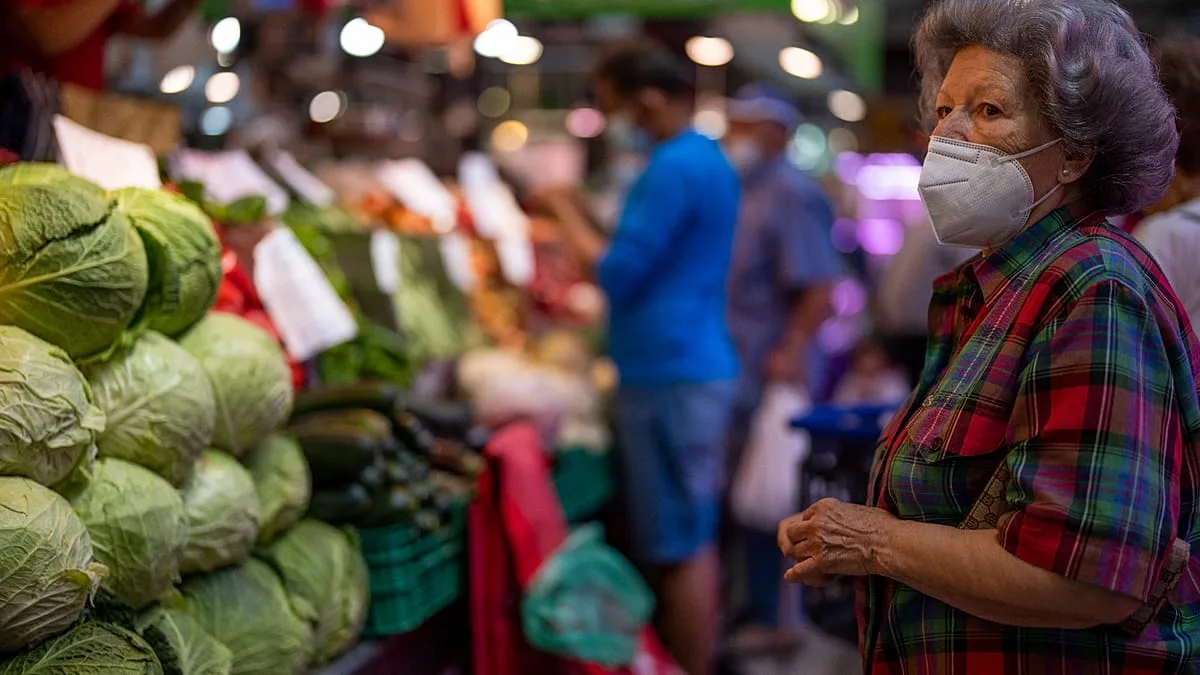
Recent economic data indicates a complex relationship between labor earnings and the cost of living across the European continent. While grocery bills have climbed significantly over the last five years, a study of 26 nations conducted by Euronews Business reveals that minimum wage increases have actually outpaced food inflation in the majority of these jurisdictions. This trend suggests that, for many of the lowest-paid employees in the European Union, the statutory pay raises mandated by their respective governments have provided a buffer against the rising costs of essential goods. However, this positive trajectory is not universal, as several key economies have seen their workers fall behind the inflationary curve.
Minimum Wage Workers Lose Ground
Malta stands out as a primary example where the cost of nutrition has overtaken wage growth. Despite the fact that the Maltese government implemented pay raises during this five-year window, a person earning the minimum wage in that country currently possesses approximately 6% less purchasing power for food than they did half a decade ago. This calculation is based on gross pay figures and highlights a shrinking standard of living for those at the bottom of the income scale. Malta is not the only nation facing this challenge; the Euronews Business analysis also identified Spain and France as countries where minimum-wage earners have lost financial ground relative to the price of groceries.
Rising Food and Beverage Prices
The broader inflationary environment is underscored by data from Eurostat, the statistical office of the European Union. According to their records, the prices for food and non-alcoholic drinks surged by an average of 34% across the bloc during the period spanning from August 2021 to August 2026. This period of rapid price appreciation has been felt most acutely in Eastern Europe. Hungary reported the most dramatic spike in the entire European Union, with food costs soaring by 57%. Bulgaria and Romania followed closely behind, recording price increases of 54% and 53%, respectively.
Variations Across the European Union
While the eastern members of the union struggled with massive price hikes, other regions saw more moderate changes. Cyprus recorded the most restrained growth in food costs within the bloc, with prices rising by 21% over the same timeframe. The disparity between the 57% increase in Hungary and the 21% increase in Cyprus illustrates the uneven economic pressures facing different member states. As Eurostat continues to monitor these metrics, the tension between statutory wage levels and the actual cost of living remains a central focus for policymakers across the 26 countries examined in the recent report. The data highlights that while most nations have managed to keep wages ahead of the cost of basic sustenance, the margin of success varies wildly from one border to the next.
Source: euronews.com · 2026-09-27