Iran, Oman home in on Hormuz Strait deal as ship attacks mount | Fortune

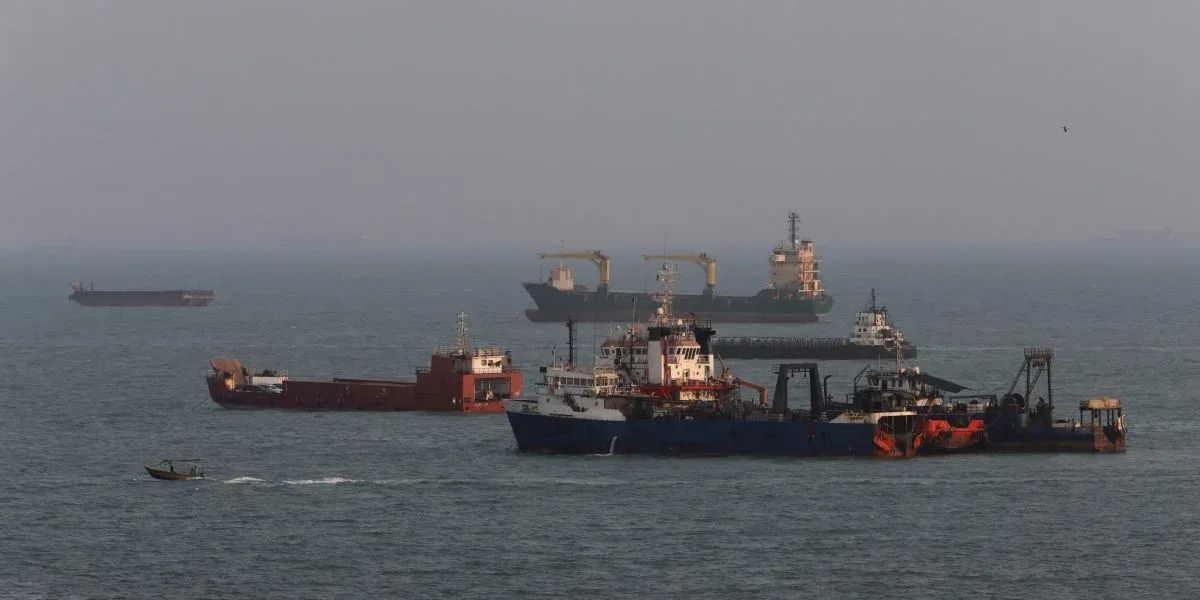
Iran and Oman are moving forward with a deal to establish a “shipping map” for the Hormuz Strait, a critical waterway through which a sizable share of the world’s oil and gas passes. The arrangement is part of a broader accord intended to regulate traffic, safeguard vessel transit and respect the sovereignty of both nations. Iranian Foreign Ministry spokesman Esmail Baghaei told Defa Press that the agreement will be an independent pact between the two states.
Details of the Shipping Map
The announcement did not clarify whether ships will face transit fees or what specific security measures will accompany the map. Officials indicated that a subsequent round of talks will address those points. The initiative follows a string of attacks in Hormuz, a chokepoint that previously carried about one‑fifth of global oil and gas shipments before the conflict escalated.
Impact on Global Markets
Brent crude, the international benchmark, climbed nearly 6 % this week as optimism for a swift settlement faded. The International Maritime Organization reported roughly 65 confirmed incidents involving vessels in Hormuz and the wider Middle East since the fighting began, with 17 seafarers dead as of Aug. 11. The UK Maritime Trade Operations said a projectile struck the hull of a bulk carrier on Saturday. In addition, two Abu Dhabi National Oil Co. tankers were hit while transiting Hormuz on Thursday, and a third vessel was struck on Friday evening, according to the United Arab Emirates’ state news agency WAM.
US Response and Economic Measures
Washington is preparing fresh economic steps aimed at forcing Tehran to concede in a war that started with US and Israeli air strikes on Feb. 28 and has claimed thousands of lives, most of them in Iran. President Donald Trump told Fox News on Friday that the United States will intensify pressure on Iran’s economy and said he did not mind if the conflict extends beyond the November midterm elections, which will be judged on economic perceptions.
Trump’s Statements on Hormuz
Speaking on Long Island on Friday, Trump described the US blockade of Iranian ports as a “wall of steel” that enables Washington to effectively govern the Hormuz Strait. He added that he might soon declare the strait a United States territory. Iranian Foreign Minister Abbas Araghchi cautioned that an agreement with Oman does not automatically mean the strait will reopen, noting that reopening depends on the United States meeting other conditions. He said Iran remains in contact with mediators from Qatar and Pakistan, but that these contacts do not constitute formal negotiations, and Tehran has not yet decided to resume talks with Washington.
Ongoing Conflict and Regional Tensions
The war has taken a heavy toll on Iran’s economy, damaging much of its industrial base and sharply limiting crude exports due to the US blockade. Yet successive sanctions have not compelled Iran to abandon its nuclear ambitions or relinquish control over the strait. Analysts note that further US measures could involve secondary sanctions on oil buyers such as China, a step that might provoke retaliation from Beijing and add to global energy price volatility.
Regional Developments
Instability spreads across the Middle East. Israel continues clashes with Hezbollah in southern Lebanon and Hamas operatives in Gaza, while Houthi forces have targeted ships in the Red Sea—each group receiving backing from Iran. Lebanese Prime Minister Nawaf Salam reported that Israeli forces carried out intensive airstrikes and shelling in Lebanon on Saturday, killing at least nine people and injuring 11. He described the situation as “of utmost gravity,” warning that it undermines stabilization efforts.
Source: fortune.com · 2026-08-15