Strong hydro conditions boost Mercury's net profit

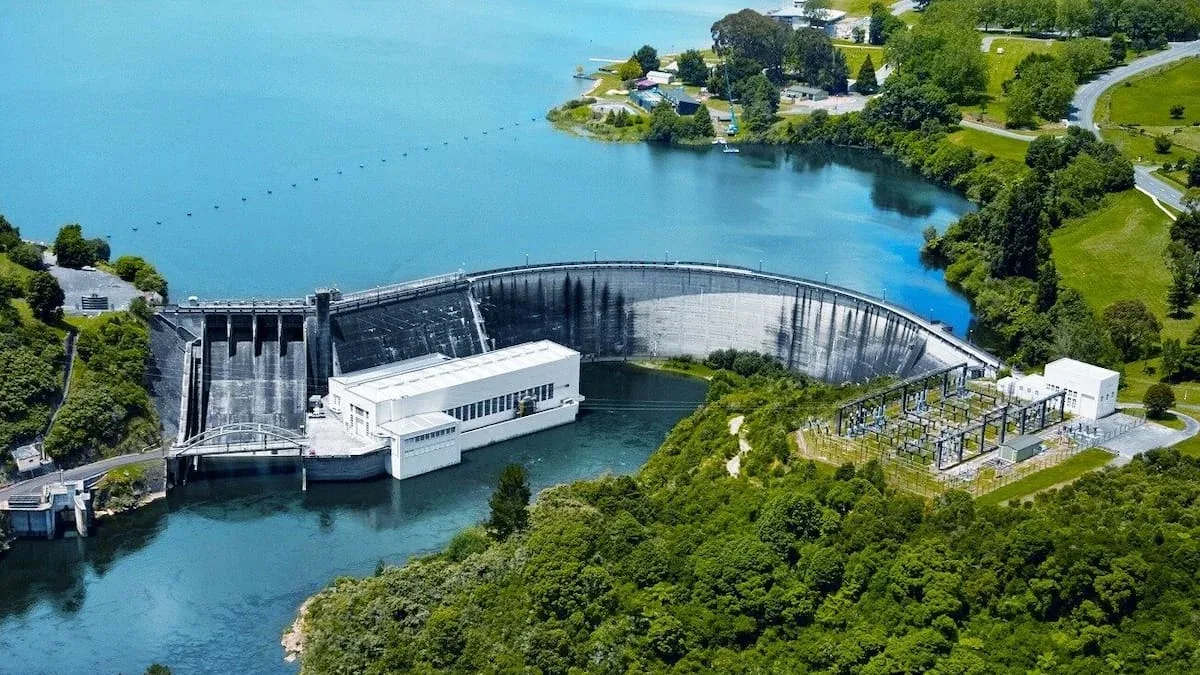
Mercury NZ posted a sharp rise in profit for the June year, crediting unusually strong hydro generation to the turnaround. Net earnings climbed to $321 million, a dramatic jump from the $1 million recorded in 2025, a year that suffered from a dry spell and limited gas supplies.
Strong Hydro Drives Profit Surge
The utility’s earnings before interest, tax, depreciation, amortisation and financial instruments (EBITDAF) reached a new high of $1,068 million, reflecting a 36 percent increase. Mercury attributed the boost largely to 4.1 terawatt‑hours of hydro output, alongside disciplined cost management and the addition of new generation assets.
Record Ebitdaf Highlights Growth
In a parallel move, Mercury announced a $506 million investment to build the country’s largest wind farm in Otago. The project, named the Puke Kapo Hau (Mahinerangi Stage 2) Wind Farm and situated west of Dunedin, will expand the existing Mahinerangi complex to a total capacity of 228 megawatts and is expected to produce about 646 gigawatt‑hours of electricity each year.
Major Wind Farm Investment Announced
The new wind facility is designed to meet rising electricity demand on the South Island, including power needs of Datagrid, which is developing what it calls New Zealand’s most advanced large‑scale data centre in Southland. In March 2026 Mercury disclosed a 140‑megawatt power‑purchase option agreement with Datagrid, underscoring the strategic link between the wind project and the data‑centre development.
Project Aims to Serve South Island
Mercury’s expansion mirrors a broader industry pattern in which generator‑retailers are allocating billions of dollars toward fresh renewable projects. Chief executive Stew Hamilton noted that the influx of new capacity is putting downward pressure on ASX futures prices, yet he said the market is gradually aligning with Mercury’s long‑term planning horizon.
Industry Spending Pressures Futures
The company’s fully imputed final dividend for the year was 17 cents per share, bringing the total dividend to 27 cents—a streak of ordinary dividend growth now in its 18th consecutive year. For the current fiscal period Mercury issued EBITDAF guidance of $1,075 million and projected a dividend of 29 cents per share.
Dividend Increases Continue Unchanged
Hamilton emphasized that the firm’s solid balance sheet leaves ample headroom to fund the ongoing growth programme. He stated, “We are converting strong financial performance into new generation, greater system resilience and the capacity to support New Zealand’s future economic growth.”
Balance Sheet Supports Expansion Plans
With the combination of robust hydro results, a major wind‑farm commitment and a continued record of dividend increases, Mercury NZ positions itself to play a pivotal role in New Zealand’s transition to a more renewable‑focused electricity system while maintaining financial stability for shareholders.
Source: nzherald.co.nz · 2026-08-17